

TL;DR
The named insured is the business that owns an insurance policy. An additional insured is someone else that the policy has been extended to protect, usually a client, landlord or general contractor, and only for claims connected to your work. If a contract or lease asks you to “name us as an additional insured”, it’s asking you to change your policy, not just send proof of it. Here’s how the two differ, why people ask, and what to check before you say yes.
What is a named insured?
A named insured is the person or business listed on the policy as the insured, usually on the declarations page (the first page of the policy). It’s you, if you bought the policy. The named insured chooses the cover, pays the premium, can change or cancel the policy, gets the notices from the insurer and has the full protection the policy gives.
A policy can have more than one. A business and its owner, or two related companies, can both be named insureds. Get the exact legal name right, including “Inc.” or “Ltd.”, since a policy issued to the wrong name can cause trouble at claim time. The Insurance Bureau of Canada’s glossary defines the named insured as the party the policy designates as the insured, with rights that other people it covers don’t have.
What is an additional insured?
An additional insured is a person or business, other than the named insured, that your policy also protects. It doesn’t own the policy, doesn’t pay for it and can’t change it. It gets cover for claims connected to your business, such as an injury caused by your work, but not for its own separate operations.
Someone becomes an additional insured in one of two ways:
- An endorsement, a written change to your policy that adds them. This is the most common route, and it’s usually added to your general liability insurance.
- Wording already in the policy. Some liability policies automatically include anyone you’ve agreed in a written contract to add. Ask your insurer whether yours does before you assume it.
Either way, the policy wording decides what they’re covered for. Two endorsements with the same name can cover quite different things.
Named insured vs additional insured: the key differences
The difference comes down to ownership. The named insured owns the policy; an additional insured borrows part of its protection for a set purpose.
| Named insured | Additional insured | |
|---|---|---|
| Who it is | The business that bought the policy | A client, landlord, general contractor or other party you’ve agreed to add |
| How they get on it | Named on the policy when it’s bought | An endorsement, or wording that adds them automatically |
| What’s covered | Everything the policy covers for your business | Claims connected to your work, as the endorsement sets out |
| Can change or cancel it | Yes | No |
| Gets notices from the insurer | Yes | Only if the endorsement says so |
| Pays the premium | Yes | No |
What is an additional named insured?
An additional named insured is a party listed as an insured on the policy’s declarations, next to you. The IBC glossary describes it as having more rights under the policy than an additional insured, and more responsibilities too. It’s usually used for related businesses, such as a parent company and its subsidiary, or partners in a joint venture.
It’s rarely what a client or landlord needs. If a contract asks for “additional named insured” status, check with your insurer or broker before agreeing: it shares much more of your policy than an additional insured does.
Why clients and landlords ask to be added
They ask because a claim about your work can name them too. If a customer slips in the unit you lease, they may sue you and the landlord. Being on your policy means your insurer can defend the landlord for that claim instead of the landlord’s own insurer. Common requests come from:
- Landlords. Commercial leases often require it, usually alongside a minimum liability limit.
- General contractors. A subcontractor names the general contractor on its own policy, and sometimes the property owner too. It’s the party doing the work that adds the party it works for, not the other way round.
- Municipalities and property managers. Maintenance contracts, such as snow clearing and grounds care, commonly require it.
- Venues, markets and event organizers, usually for the day of the event.
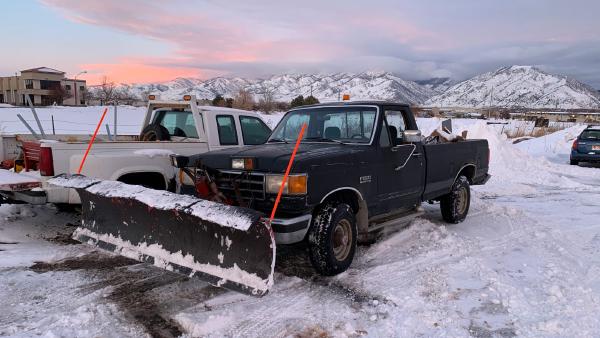
Here’s how it can play out. In Carneiro v. Durham (2015), the Regional Municipality of Durham’s winter maintenance contract required its plowing contractor to name Durham as an additional insured. After a fatal crash on an icy road, both were sued. Ontario’s Court of Appeal held that the contractor’s insurer had to defend Durham in the whole lawsuit, because an additional insured has its own right to a defence. That’s one decision on one policy’s wording, but it shows why the request is so common in snow removal contracts.
Is an additional insured the same as a certificate holder?
A certificate holder only gets proof of your policy, while an additional insured is covered by it. The certificate holder is the person or business a certificate of insurance is made out to. Being typed onto a certificate doesn’t add anyone: your insurer has to change the policy, and the certificate then reflects it. If a client wants to be sure, they can ask for a copy of the endorsement.
Two other names cause confusion:
- A loss payee is a lender or leasing company with a financial interest in property you insure, such as equipment bought on credit. If that property is damaged, it may be paid first. It’s about your property cover, not your liability cover.
- A mortgagee, the lender on a mortgaged building, is protected by a mortgage clause on the property policy. That’s a different arrangement from an additional insured.
What to check before you add an additional insured
Before you add an additional insured, check the insurance clause in the contract or lease against what your insurer can actually add. Send the clause to your insurer or broker before you sign. These are the details that most often need checking:
- The exact legal name of the party to be added, and its address.
- Which policy. Usually general liability. If the contract names another, such as professional liability or commercial property, ask whether that’s possible.
- Ongoing and completed work. Cover while you’re on the job, and sometimes for claims after it’s finished. Contractors are often asked for both.
- “Primary and non-contributory”. Your policy pays first, before the other party’s own insurance is touched.
- A waiver of subrogation. Your insurer agrees not to recover its costs from the other party. It’s a separate change, often asked for at the same time.
- How long it lasts. One event, one project, the policy term, or a set time after the work ends.
- Notice of cancellation. Whether they must be told if your policy is cancelled.
- The limit. Whether your policy’s limits meet the contract’s minimum.
If the contract asks for something your insurer can’t add, say so before you sign. It’s easier to change a clause than to explain a gap after a claim.
What it means for your own coverage
The main risk for you is that an additional insured can share your limits. If your insurer pays a settlement or judgment for the landlord, that money usually comes out of the same policy limits that protect your business. A large claim involving both of you could leave less for claims against you. Policies differ on whether defence costs count toward the limits, so ask yours.
A claim paid on behalf of an additional insured is still a claim on your policy, and insurers may look at it when you renew. That’s one more reason to make sure each endorsement covers only what the contract actually needs.
When to ask to be added yourself
The same tool works in your favour when you hire someone. If a subcontractor, cleaner, caterer or installer works on your premises or on your job, you can ask to be named as an additional insured on their liability policy. Then a claim caused by their work can go to their insurer first. Ask for a copy of the endorsement, or at least a certificate that shows it, before they start. The contractor insurance and cleaning business insurance pages cover what those trades commonly carry.
Does it cost anything to add an additional insured?
Sometimes. Some policies include additional insureds at no extra charge, some insurers charge a fee for each one, and some need to review the request before they agree. It depends on your insurer, your policy and what the contract asks for, so ask before you sign. The only reliable answer is your insurer’s or broker’s. For what drives the cost of the policy itself, see how much business insurance costs.
If you don’t have a policy yet, have the contract’s insurance clause handy when you get quotes, so the brokers you’re matched with can check it against what they offer.